
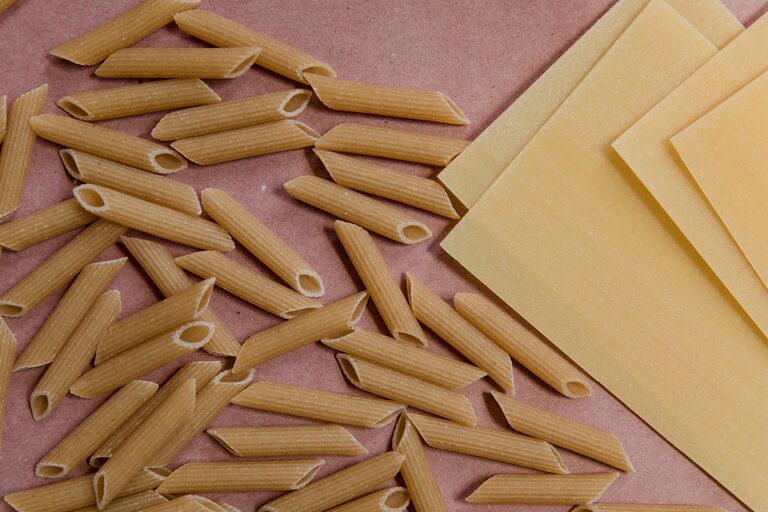
Planning meals from pantry staples is a smart way to save time, reduce grocery bills, and minimize food waste. Whether you’re busy during the week or simply want to use what you already have, a well-stocked pantry can be your best cooking friend. In this post, we’ll guide you through how to plan meals using common pantry items, giving you practical tips and recipe ideas to keep your dinners tasty and stress-free.
Why Use Pantry Staples?
Pantry staples are non-perishable or long-lasting foods stored in your kitchen, such as canned goods, dried grains, spices, and more. Using these ingredients effectively means:
– Convenience: You can whip up meals without needing a grocery run.
– Budget-friendly: Making meals from what you have helps cut down on food costs.
– Reduced waste: Using pantry ingredients before they expire means less food thrown away.
– Variety: Many pantry foods are versatile, allowing for endless recipes.
Step 1: Assess Your Pantry Inventory
Before you start meal planning, take stock of what’s in your pantry. Organize shelves to see everything clearly.
– Check expiration dates: Use or donate items nearing expiry.
– Group similar items together: Grains, canned beans, pasta, and spices, for example.
– Note quantities: How much rice, flour, or canned tomatoes do you have?
Having a clear inventory helps you plan meals around what is available.
Step 2: Identify Pantry Staples for Meal Bases
Focus on ingredients that provide the foundation for meals. Many pantry staples fall into these categories:
– Grains and Pasta: rice, pasta, quinoa, oats, couscous
– Canned Goods: beans, tomatoes, coconut milk, corn, tuna
– Cooking Essentials: oils, vinegar, broth or bouillon cubes, soy sauce
– Spices and Herbs: salt, pepper, garlic powder, paprika, dried herbs
– Baking Basics: flour, sugar, baking powder, cornmeal
By combining these with fresh or frozen items, you can create flavorful, balanced meals.
Step 3: Plan Simple, Flexible Meals
When meal planning, aim for recipes that are adaptable depending on your pantry contents. Here are some ideas:
1. One-Pot Rice or Grain Bowls
Cook rice, quinoa, or couscous and mix with canned beans, sautéed vegetables (fresh or frozen), and a flavorful sauce made from pantry staples like soy sauce, garlic, and spices.
Example: Black bean and corn rice bowl with cumin and lime.
2. Pasta with Easy Sauces
Use canned tomatoes to make a quick marinara or combine olive oil with garlic and chili flakes for a simple aglio e olio.
Example: Spaghetti with canned tomato sauce, garlic, and herbs.
3. Soups and Stews
Combine broth or water with canned beans, diced tomatoes, root vegetables, and spices for warming soups.
Example: Lentil soup from dried lentils, canned tomatoes, and spices.
4. Stir-Fries and Sautés
Use pantry proteins like canned tuna or chickpeas and season with pantry sauces for quick meals with rice or noodles.
Example: Chickpea and vegetable stir-fry with soy sauce and ginger powder.
Step 4: Incorporate Fresh or Frozen Produce When Possible
While pantry staples form the backbone of many meals, fresh or frozen fruits and vegetables add nutrition and flavor.
– Frozen vegetables are convenient and usually affordable.
– Fresh garlic, onions, and herbs elevate the taste.
– Use what’s in season or on sale at the store.
Step 5: Make a Weekly Meal Plan
Create a meal plan based on your pantry assessment and grocery list. Here’s a simple template:
| Day | Meal Idea | Main Pantry Staples | Fresh/Frozen Add-ons |
|——|————————————|——————————————–|————————————|
| Mon | Chickpea curry with rice | Canned chickpeas, rice, coconut milk, spices | Frozen spinach, onion |
| Tue | Pasta with tomato sauce | Pasta, canned tomatoes, olive oil, herbs | Fresh garlic, bell pepper |
| Wed | Lentil soup | Dried lentils, canned tomatoes, broth | Carrots, celery |
| Thu | Tuna salad wrap | Canned tuna, tortillas, olive oil | Lettuce, cucumber |
| Fri | Bean and corn quesadillas | Canned beans, canned corn, tortillas | Cheese, salsa |
Adjust meals based on what you have and prefer.
Step 6: Use Batch Cooking and Freezing
When cooking from pantry staples, consider making larger portions to save for later.
– Soups, stews, and beans freeze well.
– Label and date containers for easy use.
– This reduces cooking stress on busy days.
Bonus Tips for Pantry Meal Planning
– Keep a well-stocked pantry: Replenish staples regularly.
– Use spices creatively: They transform basic ingredients.
– Look for inspiration: Food blogs and cookbooks can spark ideas.
– Try pantry challenges: Cook without fresh groceries for a few days to test your pantry skills.
– Stay flexible: Swap ingredients based on availability.
Final Thoughts
Planning meals from pantry staples is an excellent way to simplify your cooking routine and stretch your budget. By knowing what you have and building meals around these staples, you can always enjoy home-cooked meals without last-minute trips to the store. Start by organizing your pantry, making a list of your go-to staples, and experimenting with simple recipes. Soon, cooking from your pantry will become second nature—and delicious!
—
Feel free to share your favorite pantry staples and meal ideas in the comments below!